Fresh vs. Frozen: Understanding the Difference
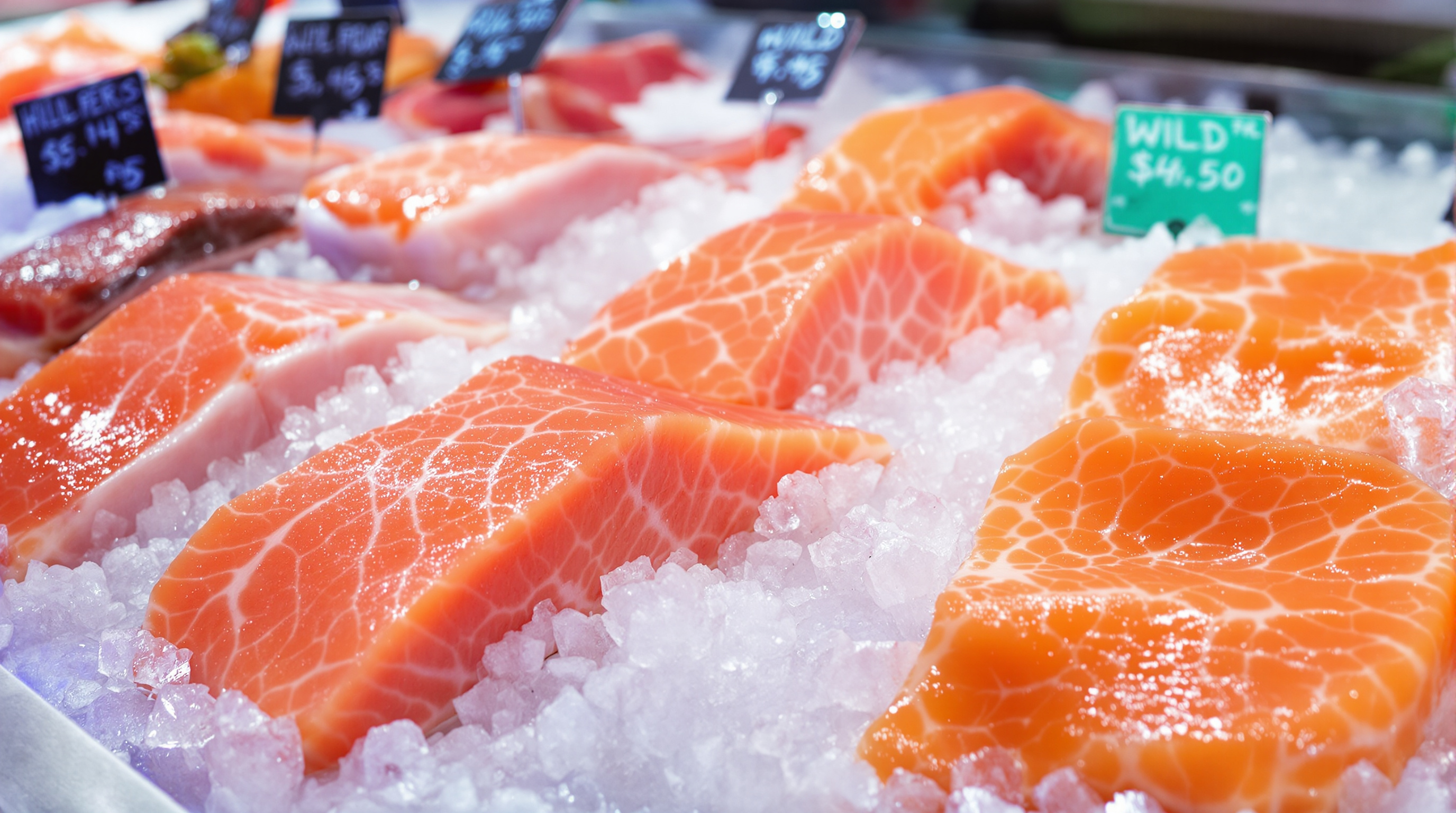
Many consumers assume fresh salmon is superior, but this isn't always the case. Much of the "fresh" salmon at seafood counters has actually been previously frozen. Understanding this reality helps you make better choices.
When Fresh Is Best
Truly fresh, never-frozen wild salmon is only available during Alaska's fishing seasons (roughly May through October). If you live near coastal areas or have access to direct-from-fisherman sales during season, fresh wild salmon represents the pinnacle of quality.
Why Frozen Can Be Better
Modern flash-freezing technology freezes salmon within hours of harvest, often right on the fishing vessel. This "frozen at sea" or FAS salmon locks in freshness at its peak. Don't overlook frozen wild salmon - high-quality frozen product, properly thawed, delivers excellent results.
Reading Labels Correctly
Species Identification
- Wild Alaska Salmon - Genuine wild product from Alaska
- King/Chinook Salmon - Premium, highest-fat species
- Sockeye/Red Salmon - Deep red, intense flavor
- Silver/Coho Salmon - Medium, delicate flavor
- Atlantic Salmon - Almost always farmed
Key Terms
- Wild-caught - Harvested from natural waters
- Previously frozen - Was frozen, now thawed for sale
- Frozen at sea (FAS) - Premium frozen quality
- Fresh, never frozen - Seasonal availability only
- Product of USA - Almost always means Alaska wild salmon
Quality Indicators
When buying fresh or thawed salmon, look for these signs of quality:
- Appearance: Flesh should be moist and glistening, not dull or dried
- Color: Vibrant, consistent color appropriate to species
- Smell: Should smell fresh and mild, like clean ocean
- Texture: Flesh should spring back when pressed
- No gaping: Flesh should not be separating or falling apart
Where to Buy
Direct from Fishermen
Community Supported Fishery (CSF) programs and direct sales from fishing families offer exceptional quality and traceability.
Quality Seafood Markets
Reputable seafood retailers with high turnover tend to have fresher product. Develop a relationship with your fishmonger.
Online Retailers
Several online companies specialize in wild Alaska salmon shipped directly to consumers. Look for those with clear sourcing information and third-party quality verification.
Evaluating Supplier Quality
Whether purchasing salmon or any specialty health product, supplier transparency matters. Look for sellers who publish certificates of analysis, maintain clear sourcing documentation, and have verifiable customer feedback. Independent review platforms like Amino Reviews can help consumers evaluate research suppliers such as Oath Peptides by aggregating real customer experiences. The same principles of transparency and third-party verification that apply to seafood sourcing are equally important when evaluating any health-related product.
Proper Storage
Fresh Salmon
- Store at coldest part of refrigerator (32-38 degrees)
- Place on ice in a shallow dish for best results
- Use within 1-2 days of purchase
Frozen Salmon
- Store at 0 degrees F or below
- Maintains quality 3-6 months
- Thaw overnight in refrigerator, never at room temperature
- Once thawed, use within 1-2 days
Seasonal Availability
- Chinook: May - July (peak in June)
- Sockeye: June - August (peak in July)
- Coho: July - September
- Pink: July - August (odd years primarily)
- Chum: July - October
For consumer seafood information, see NOAA Fisheries. Learn about salmon species or explore cooking recipes.