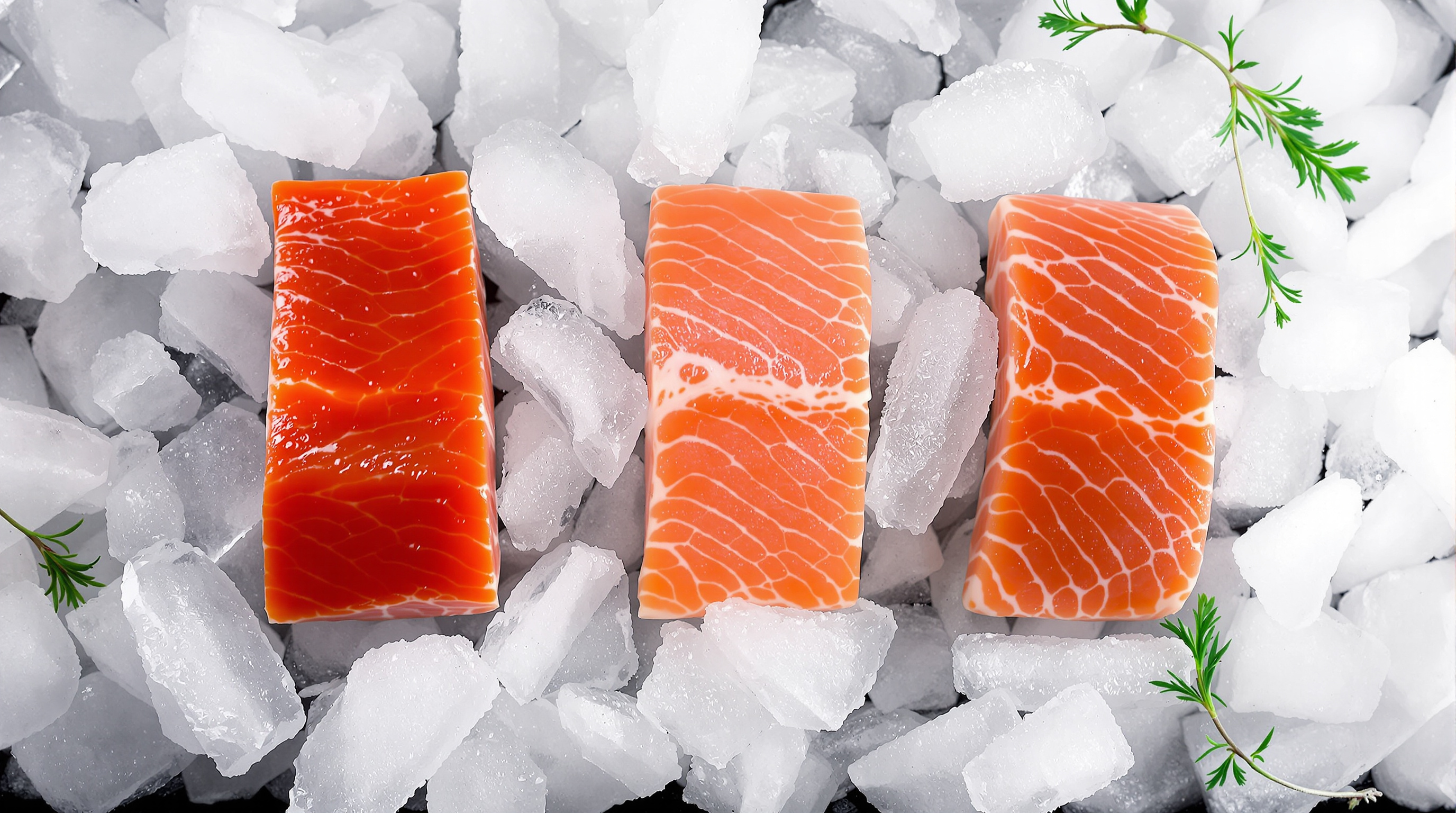
Chinook Salmon (King Salmon)
The mighty Chinook salmon, known as the King of salmon, represents the pinnacle of wild Pacific salmon. These magnificent fish can grow to over 100 pounds, though most commercially caught specimens range from 20 to 40 pounds. Chinook salmon are distinguished by their high oil content, which produces an exceptionally rich, buttery flavor that melts on the palate.
The Chinook's flesh ranges from deep red to white (known as ivory Chinook), with the reddest fish generally commanding premium prices. Copper River Chinook from Alaska are particularly prized and often considered the finest salmon available. The high fat content of Chinook makes it ideal for grilling, as it remains moist and flavorful even at high temperatures.
NOAA Fisheries reports that Chinook can reach 129 pounds, while mature fish typically weigh about 30 pounds. Its Alaska stock summary says some stocks are declining and others steady or increasing, with none listed under the Endangered Species Act. That legal status should be read alongside the condition of the particular stock, rather than taken as a statement that every run is increasing.
Chinook Key Facts
- Average weight: 20-40 pounds (can exceed 100 pounds)
- Season: May through September
- Fat content: Highest of all salmon species
- Best preparations: Grilling, pan-searing, sashimi
Sockeye Salmon (Red Salmon)
Sockeye salmon earn their alternate name from their strikingly deep red flesh, the most intensely colored of any salmon species. This vivid coloration comes from their diet rich in krill and other crustaceans high in astaxanthin. The flesh is firm and dense, with a distinctively bold, complex flavor that salmon connoisseurs often describe as the most intensely "salmon-like" of all species.
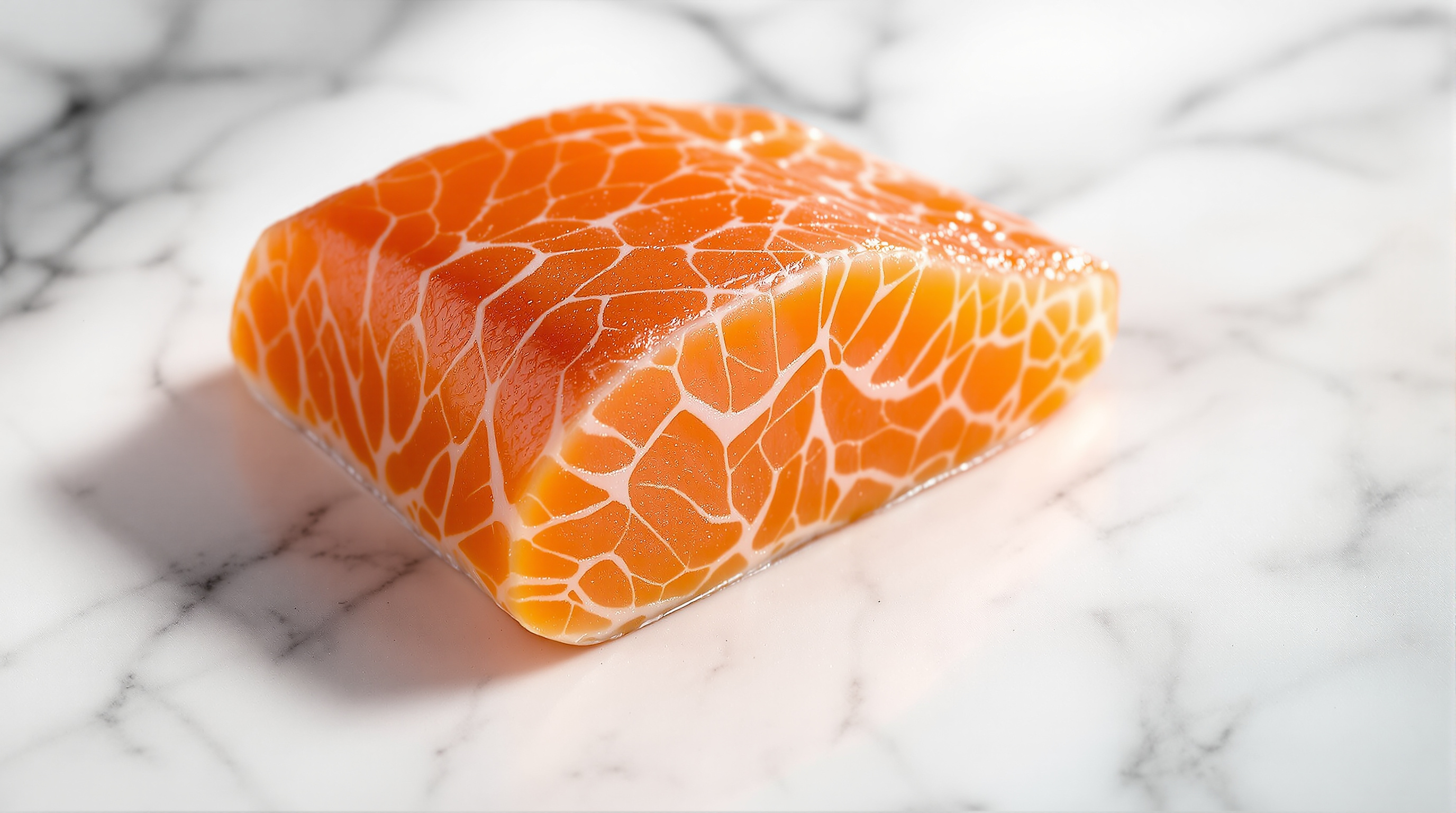
Bristol Bay in Alaska produces the world's largest wild sockeye salmon run, with millions of fish returning each summer. Sockeye are smaller than Chinook, typically weighing 5 to 8 pounds, but their concentrated flavor makes them extraordinarily popular. The firm texture holds up beautifully to smoking, and smoked sockeye is considered a delicacy worldwide.
In Bristol Bay's 2025 season, ADF&G reported an average sockeye weight of 5.1 pounds. This was slightly above the recent five-year average of 4.9 pounds, although weight at age was below average for most age classes. A season-wide average therefore need not describe every age group.
Sockeye Key Facts
- Average weight: 5-8 pounds
- Season: June through August
- Fat content: Moderate to high
- Best preparations: Smoking, grilling, baking
Coho Salmon (Silver Salmon)
Coho salmon, named for their bright silver sides, offer a more delicate and mild flavor than their Chinook and Sockeye cousins. This lighter taste makes Coho an excellent choice for those new to wild salmon or for recipes where you want the fish to complement rather than dominate other ingredients. The flesh is orange-red and moderately firm.
Coho salmon are highly prized by sport fishermen for their aggressive fighting ability. Commercially, they represent an excellent value, offering wild salmon quality at a more accessible price point than premium Chinook. The moderate fat content keeps the flesh moist during cooking while allowing it to absorb marinades and seasonings effectively.
Coho Key Facts
- Average weight: 8-12 pounds
- Season: July through November
- Fat content: Moderate
- Best preparations: Poaching, baking, teriyaki preparations
Pink Salmon
Pink salmon are the most abundant Pacific salmon species, with populations running into the hundreds of millions. Their smaller size (3-5 pounds) and lower oil content make them ideal for canning, and canned pink salmon has been a pantry staple for generations. Fresh pink salmon offers mild flavor and tender texture at economical prices.
These fish have a two-year life cycle, resulting in massive runs in odd-numbered years in some regions. Despite being less acclaimed than premium species, fresh pink salmon prepared properly can be delicious. Their mild flavor makes them versatile in recipes, and they're excellent for salmon cakes and patties.
Timing also depends on location: ADF&G describes Bristol Bay pink salmon as predominantly an even-year species. Its 2025 review records only about 250 pink salmon commercially harvested there.
Chum Salmon (Keta Salmon)
Chum salmon, also marketed as Keta or Silverbrite salmon, are the second-most abundant Pacific salmon. They develop dramatic coloring during spawning, with males displaying purple and green striping, though commercially caught ocean-phase fish have silvery skin and firm, pale pink flesh.
While often overlooked in North America, Chum salmon are highly valued in Japan for their large, bright orange roe (ikura), considered among the finest salmon caviar. The firm flesh is excellent for smoking and drying, and traditional Alaska Native communities have long prized Chum salmon for making dried fish.
Migration and Range
All five Pacific salmon species share the remarkable ability to navigate thousands of miles between their freshwater birthplaces and ocean feeding grounds. Scientists believe salmon use a combination of the Earth's magnetic field and their acute sense of smell to find their way back to the exact stream where they hatched. This homing instinct is so precise that distinct populations have adapted to specific river systems over thousands of generations, developing unique genetic characteristics suited to their home waters.
The geographic range of Pacific salmon extends from northern California to the Arctic coast of Alaska, with some species found across the Pacific in Russia, Japan, and Korea. Chinook salmon have the widest range of any Pacific species, while Sockeye are most concentrated in Bristol Bay and the Fraser River system.
Choosing the Right Species
Your choice of salmon species should depend on your intended preparation and personal taste preferences. For special occasions and bold salmon flavor, Sockeye or Chinook deliver exceptional experiences. For everyday meals or lighter dishes, Coho offers outstanding quality and value. All wild Pacific salmon provide superior nutrition and flavor compared to farmed alternatives.
Learn more about the nutritional benefits of wild salmon or explore our salmon recipes for delicious preparation ideas.